

TẠI HARRISLAW, CHÚNG TÔI ĐÃ LÀM VIỆC VỚI hàng trăm H-1B
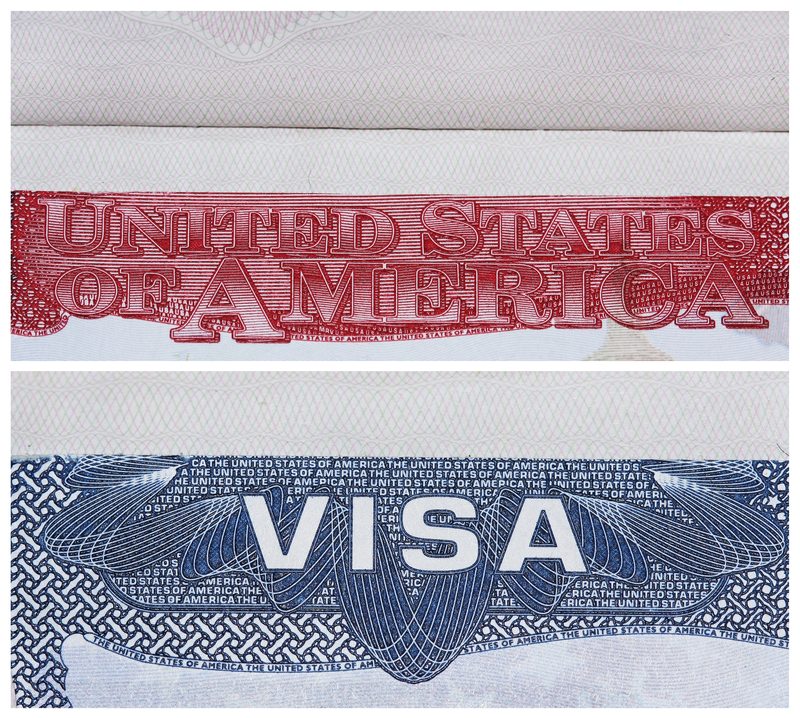
UNDERSTAND THE H-1B VISA: ELIGIBILITY, APPLICATION PROCESS, AND TIMELINES FOR HIRING FOREIGN SPECIALTY WORKERS
The H-1B visa category is designated for foreign nationals employed in “specialty occupations,” requiring specific educational and professional qualifications. A “specialty occupation” is defined by the law as an occupation that requires:
- Theoretical and practical application of a body of highly specialized knowledge; and
- Attainment of a bachelor’s or higher degree in the specific specialty (or its equivalent) as a minimum for entry into the occupation in the United States.
Additionally, the H-1B category encompasses những người mẫu thời trang demonstrating “distinguished merit and ability,” who are not required to meet the standard criteria for specialty occupations.
Specialty Occupations
Applicants seeking to perform services in a specialty occupation must establish that they have the qualifications to undertake the services required for that specialty occupation. At a minimum, a person in a specialty occupation must document that he or she has full state licensure to practice in the occupation, if such licensure is required to practice. The foreigner must also establish that he or she has completed the degree required as the minimum standard for entry into the occupation in the United States, or has experience in the specialty equivalent to the completion of such degree and recognition of expertise in the specialty through progressively responsible positions in the occupation. Foreign medical graduates seeking admission to engage in direct patient care and health care workers (other than physicians) must meet certain additional requirements to be eligible for H-1B status.
A. Procedural Requirements
1. Chủ lao động Hoa Kỳ
Chủ lao động đang tìm kiếm dịch vụ của một nhân viên H-1B và nộp các giấy tờ cần thiết để có được các dịch vụ đó phải là một chủ lao động của Hoa Kỳ. mã số thuế. Một trong những cân nhắc quan trọng hiện nay, là câu hỏi về việc một người sử dụng lao động có thể là ai. Vào tháng 1 năm 2010, Dịch vụ xuất nhập cảnh Hoa Kỳ hiện có thể hỏi xem liệu có mối quan hệ chủ nhân-nhân viên hợp lệ hay không. Vấn đề này có thể ảnh hưởng đến các nhà thầu độc lập, công nhân H-1B tự làm chủ và công nhân H-1B được đặt tại nơi làm việc của bên thứ ba. Trong số một số yếu tố mà Dịch vụ xuất nhập cảnh Hoa Kỳ sẽ xem xét, liệu chủ lao động Hoa Kỳ có quyền kiểm soát việc làm của công nhân H-1B, như khi nào, ở đâu và làm thế nào công nhân thực hiện công việc.
2. Yêu cầu mức lương tối thiểu
Là điều kiện tiên quyết để có được các dịch vụ của một nhân viên H-1B, chủ lao động Hoa Kỳ phải hứa với Bộ Lao động Hoa Kỳ rằng họ sẽ trả cho công nhân H-1B của họ mức lương bắt buộc và sẽ đưa ra các điều kiện làm việc hiện hành cho những công nhân đó. Người sử dụng lao động cũng phải chứng thực rằng một cuộc đình công hoặc khóa không được tiến hành liên quan đến phân loại nghề nghiệp tại nơi làm việc, và nó đã thông báo cho các nhân viên khác của mình.
3. Bằng chứng về nghề nghiệp đặc biệt
Nghề nghiệp được điền bởi công nhân nước ngoài phải yêu cầu dịch vụ của một người có thông tin xác thực cho nghề nghiệp đặc biệt đó. Một số nghề đặc sản tiêu biểu bao gồm:
| Kỹ sư | Các nhà phân tích / kỹ sư hệ thống |
| Kế toán | Kiến trúc sư |
| Luật sư / cố vấn pháp luật nước ngoài | Giáo viên / giáo sư |
| Các nhà khoa học | Nhà báo / Biên tập viên |
| Thủ thư | Ấn phẩm kỹ thuật nhà văn |
| Nhà tâm lý học | Các tư vấn viên về quản lí |
| Chuyên viên phân tích tài chính | Nhà phân tích nghiên cứu thị trường |
Có những vùng màu xám xung quanh phạm vi của một số chức danh công việc này. Ví dụ, có thể có các vị trí giảng dạy của người Viking trong một số trường tư hoặc cơ sở chăm sóc ban ngày không được ghi nhận là nghề nghiệp đặc biệt. Nếu cài đặt có liên quan mật thiết đến môi trường trường học truyền thống, việc nộp một số tài liệu yêu cầu thông tin giảng dạy chuyên nghiệp sẽ là một ý tưởng tốt. Một số khu vực màu xám phổ biến: vị trí khoa học và y tế liên quan đến kỹ thuật viên; vị trí pháp luật trong đó người nước ngoài không được nhận vào thanh Mỹ; và các vị trí máy tính không liên quan đến thiết kế phần mềm hoặc hệ thống, chẳng hạn như các vị trí lập trình cấp nhập cảnh.
B. Giới hạn Visa H-1B: Tính khả dụng của Số H-1B
The annual H-1B cap is generally set at 65,000, subject to certain exemptions and set-asides, such as the U.S.-Chile and U.S.-Singapore Free Trade Agreements.
- Các kiến nghị cho việc làm H-1B tuần tự, việc làm H-1B đồng thời, gia hạn lưu trú và các kiến nghị sửa đổi không được tính vào giới hạn.
Giới hạn hàng năm của H-1B được đặt ở mức 65.000. Tuy nhiên, tổng số H-1B bị giảm theo Hiệp định thương mại tự do Mỹ-Chile và Mỹ-Singapore (FTA), dành riêng 6.800 số H-1B cho các chuyên gia từ hai quốc gia này mỗi năm tài chính. Do đó, trong điều kiện thực tế, chỉ có 58.200 số H-1B có sẵn trong nhóm H-1B tiêu chuẩn.
- Ngoại lệ bằng cấp cho Cap.
Pháp luật ban hành năm 2004 tạo ra sự miễn trừ cho giới hạn cho 20.000 sinh viên tốt nghiệp bằng cấp cao của các trường đại học Hoa Kỳ. USCIS sẽ miễn 20.000 đơn kiến nghị đầu tiên cho những người lao động H-1B có bằng thạc sĩ trở lên từ một tổ chức học tập cao hơn của Hoa Kỳ. Sau khi 20.000 chỗ trống đó được lấp đầy, Dịch vụ xuất nhập cảnh Hoa Kỳ sẽ áp dụng các kiến nghị cho công nhân H-1B có bằng thạc sĩ trở lên so với mức trần hàng năm là 65.000.
- Nhân viên không có giới hạn giới hạn.
Ngoài 20.000 miễn trừ cho các chuyên gia có bằng cấp cao, một số loại trường hợp H-1B được miễn giới hạn mà không liên quan đến số lượng các trường hợp như vậy được nộp. Chúng bao gồm: (1) kiến nghị về việc làm tại một tổ chức được miễn trừ, chẳng hạn như tổ chức giáo dục đại học hoặc tổ chức phi lợi nhuận có liên quan hoặc liên kết, tổ chức nghiên cứu phi lợi nhuận và tổ chức nghiên cứu chính phủ (tuy nhiên, lưu ý rằng nếu một chuyên gia H-1B di chuyển từ một tổ chức phi lợi nhuận được miễn thuế cho một công ty vì lợi nhuận, sau đó anh ta hoặc cô ta sẽ phải chịu mức trần); (2) kiến nghị cho một cá nhân đã được tính vào giới hạn trong sáu năm trước, trừ khi người nộp đơn H-1B sẽ đủ điều kiện nhận đủ sáu năm nhập học được ủy quyền tại thời điểm nộp đơn yêu cầu; (3) kiến nghị cho những người không di cư J-1 đang thay đổi tình trạng thành H-1B và những người được miễn trừ thông qua Chương trình Conrad 30 hoặc các chương trình khác của chính phủ liên bang.
C. Mùa H-1B: Khi nào Chủ nhân có thể đăng ký làm nhân viên?
Vào ngày 1 tháng 4 hàng năm, Mũ H-1B mở ra để nộp đơn bởi các chủ nhân tương lai của Hoa Kỳ. Đây là ngày sớm nhất mà một bản kiến nghị có thể nộpvà sớm nhất ngày bắt đầu of employment is the following October 1 of that year. In previous years, the H-1B Cap has run out of available numbers anywhere from the first few months after April 1, to the first week of filing. Prior to the U.S. economic crisis in 2008, the H-1B Cap ran out of visas during the first week in April. But after the U.S. economic crisis, the following year the H-1B Cap lasted many months. Every year as the U.S. economy has recovered, the H-1B Cap has been fulfilled faster than the previous year. In 2012, for example, the available H-1B visa number lasted barely two months. In the last several years, the H-1B cap has been fulfilled within the first 5 business days.
Recent Changes in the H-1B Program
In the last few years, the H-1B visa program has undergone significant changes aimed at tightening eligibility criteria and enhancing oversight. The introduction of the electronic registration system in 2020 streamlined the initial filing process, allowing employers to register prospective beneficiaries online before submitting full petitions. The Trump administration’s “Buy American and Hire American” Executive Order led to increased scrutiny of H-1B petitions, particularly concerning employer-employee relationships and wage levels. However, some of these changes were rolled back or revised under the Biden administration, which aims to make the U.S. more accessible to skilled foreign workers. It’s crucial for employers and prospective H-1B workers to stay updated on policy shifts, as these changes can significantly impact eligibility and the likelihood of petition approval.
Để tìm hiểu thêm về chương trình H-1B và cách công ty của bạn có thể hưởng lợi bằng việc thuê một công nhân chuyên nghiệp hoặc chuyên nghiệp, vui lòng liên hệ chúng tôi để biết thêm thông tin.
Frequently Asked Questions (FAQ) on Recent Changes in the H-1B Program
1. What is the electronic registration system?
The electronic registration system was introduced in 2020 to streamline the initial filing process for the H-1B visa. Employers can now register prospective H-1B beneficiaries online during a designated registration period. The system then conducts a random lottery, and only those selected are eligible to submit full H-1B petitions. This change aims to make the initial application process more efficient and cost-effective.
2. How have wage levels been affected in recent years?
In the past few years, there were attempts to prioritize higher wage levels in the H-1B selection process. The idea was to ensure that H-1B workers are not used to undercut American workers by offering lower wages. However, these changes have been subject to legal challenges and revisions, making it crucial for employers to stay updated on the current wage level requirements.
3. What changes have been made concerning employer-employee relationships?
The U.S. Citizenship and Immigration Services (USCIS) has increased scrutiny to ensure that a bona fide employer-employee relationship exists. This is particularly relevant for H-1B workers placed at third-party worksites. Employers must now provide more substantial evidence to prove that they have a degree of control over the H-1B worker’s employment, such as work assignments and performance reviews.
4. Are there any new restrictions on specialty occupations?
While the fundamental definition of “specialty occupations” remains unchanged, there has been heightened scrutiny to ensure that the job duties and educational requirements align with the standards for specialty occupations. Employers may need to provide additional documentation to prove that the position indeed qualifies as a specialty occupation.
5. How has the Biden administration impacted the H-1B program?
The Biden administration has taken steps to make the U.S. more accessible to skilled foreign workers. Some of the restrictive measures implemented under the previous administration, such as heightened scrutiny of employer-employee relationships, are being reviewed or revised. The current administration aims to balance the protection of American workers with the need to attract global talent.
6. Are there any anticipated changes to the H-1B program?
While it’s difficult to predict with certainty, both legislative and executive actions could bring further changes to the H-1B program. Employers and prospective H-1B workers should stay updated on policy announcements and legislative developments, as these could significantly impact eligibility criteria, wage levels, and the application process.
H-1B LOTTERY BEGINS IN

Hỏi chúng tôi
Câu hỏi của bạn
You have reached the limit of the number of messages you may submit using this form.


 English
  Português do Brasil
  Español
  Italiano
  Français
  Русский
  简体中文
简体中文  Deutsch
  Nederlands
  Dansk
Dansk  日本語
日本語  Português
  Polski
  Čeština
  Română
  עִבְרִית
  Tiếng Việt